
The Naked Truth: From Marble Gods to Instagram Mods
I have always found it pretty funny how strange we are about nudity.
You can stand in front of Michelangelo’s David, six meters of perfectly sculpted marble, and everyone behaves like they are in church. People whisper respectfully, nod thoughtfully, talk about Renaissance genius. But if you try posting an artistic topless photo on Instagram, it disappears in seconds under the magical phrase “this goes against our community guidelines.”
Same body. Same anatomy. Completely different reaction.
(Versión en español abajo ⬇️)
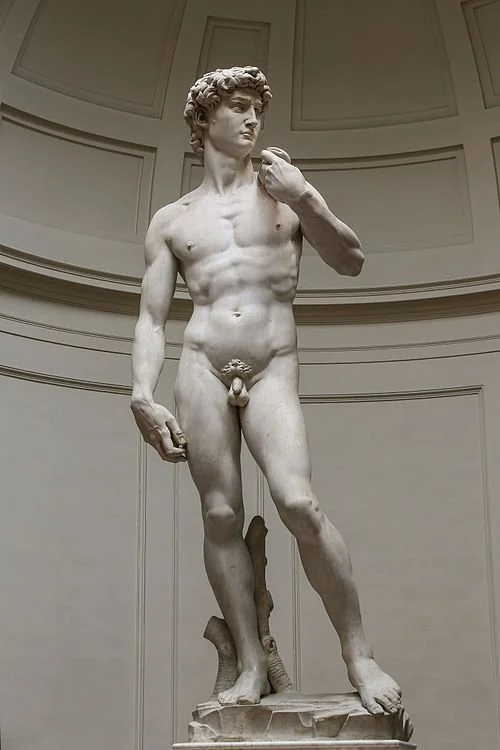
Michelango’s ‘David’
And this is not new. We have been arguing with ourselves about nudity for thousands of years. Sometimes celebrating it. Sometimes hiding it. Sometimes completely panicking about it. If humans are good at anything, it is being inconsistent.
Back in Ancient Greece, being naked was basically a compliment. Your body was not something to hide. It was something to admire. Athletes competed nude. Statues proudly showed the human form. The word gymnasium literally meant a place to be naked. It was their way of saying the human body itself was beauty, strength and meaning.
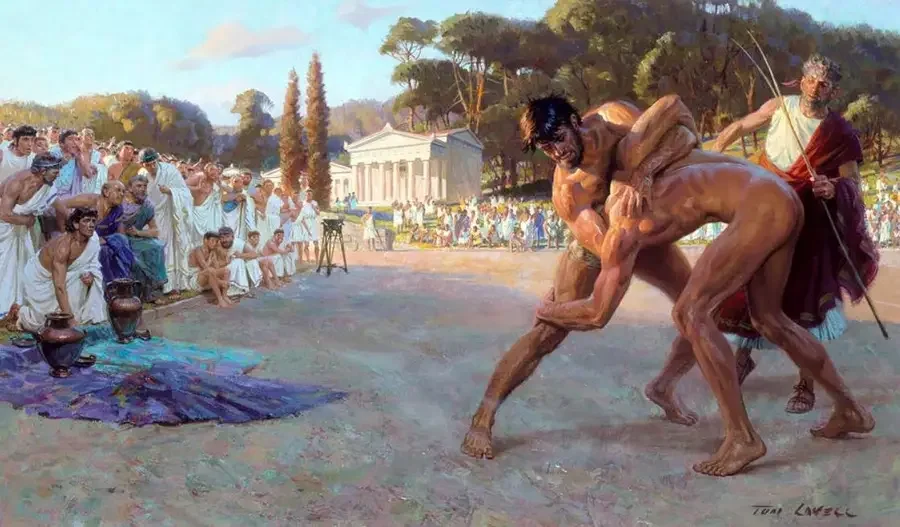
Then you jump forward to medieval Europe and everything collapses. The Church had cultural control and suddenly skin meant sin. The only nudity you would see came with guilt attached. Adam and Eve desperately covering themselves. Bodies being punished. The human form stopped being a celebration and became a moral problem.
Then the Renaissance shows up and artists basically say, hang on a second, the human body is beautiful, why did we hide it. Clothes disappeared again. Donatello. Michelangelo. Bodies returned to center stage. And of course, people panicked again. They literally made fig leaves to cover sculptures when necessary. They even hired artists to paint modesty onto existing masterpieces. Imagine being paid to put underwear on Michelangelo’s figures. As ridiculous as it sounds, it actually happened.
And now here we are. New era, same drama. A nude in a museum is art. A nude online is dangerous. A male nipple is fine. A female nipple is scandalous. And yes, there are still people who somehow think Michelangelo’s David is porn. A school principal even lost their job because parents complained about the statue. A five hundred year old sculpture still treated like a threat.
Then comes the modern twist. The paywall. The same image that gets deleted on Instagram is perfectly acceptable as soon as someone pays to see it. Suddenly the body is allowed again. And yes, I know this from experience. A lot of my uncensored work lives behind a paywall. Not because I believe it is shameful, but because platforms push it there. In one way it is great because it allows creators to survive without begging an algorithm for approval. But at the same time the body becomes a product. Not hidden because it is bad. Hidden because it is profitable. And that changes how we think about it too.

The truth is that nudity has never really been about nudity itself. It has always been about context. A museum seems acceptable. A selfie feels risky. A topless beach depends on the country. A Patreon gallery is suddenly completely valid. A body can sell something. It can empower someone. It can provoke. It can heal. Or it can simply exist quietly. And honestly, our reaction almost always says more about us than about the skin in front of us.
There is also a very simple reality. Being around real, unedited bodies is good for us. It reduces shame. It helps with body image. It reminds us how people actually look. That should not be controversial, yet somehow it still is.
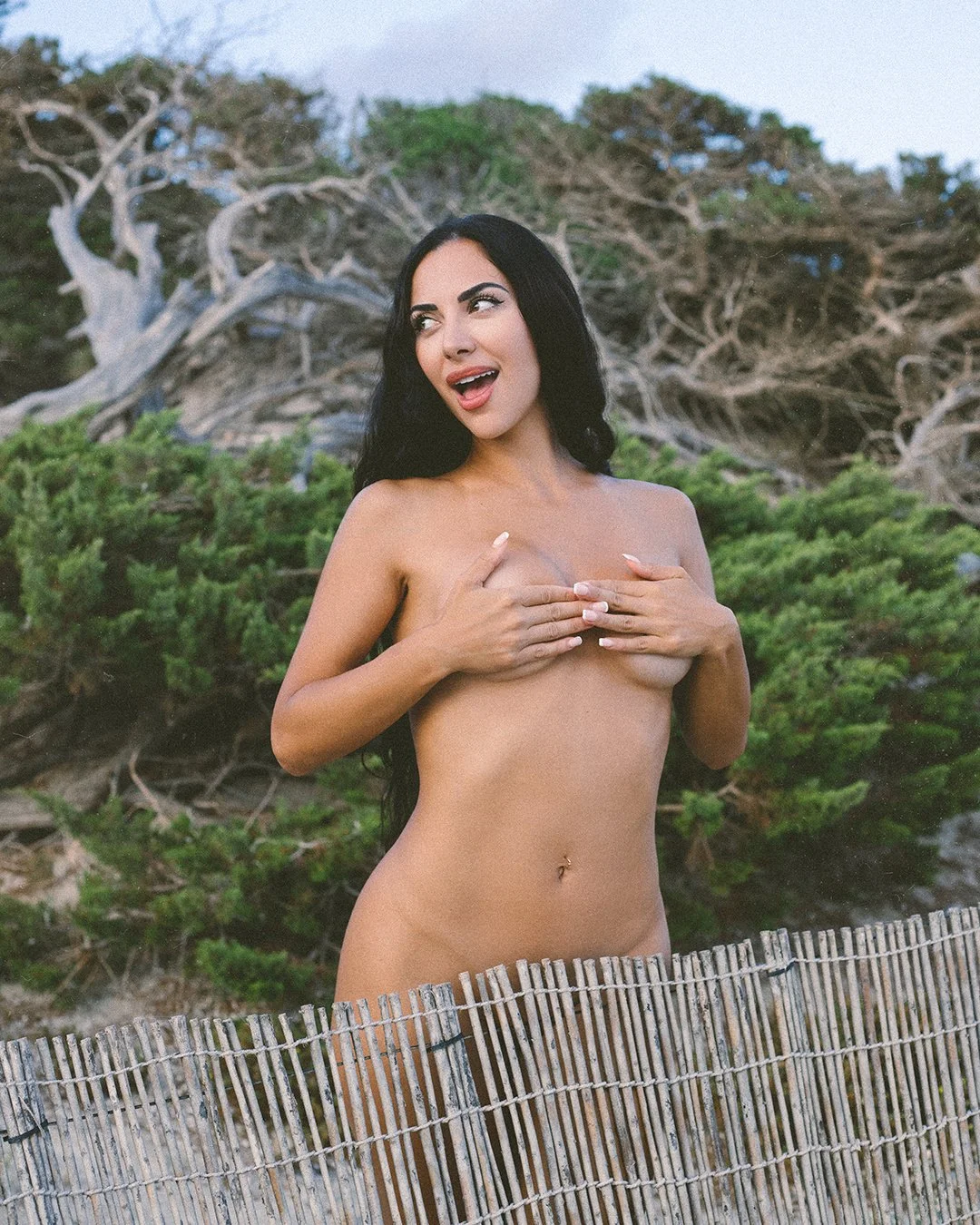
A photo I took of Raquel a few years ago on a beach on Ibiza. A pure celebration of freedom and confidence, in my eyes.
So this is where I stand with my work.
I do not photograph nudity to shock anyone. And I am not here to sell fantasy. The people in my photos are real. They feel comfortable, playful, sensual, confident, sometimes vulnerable, always human. For me, a nude photograph is not about crossing a line. It is about gently erasing the ones that should not exist in the first place.
This debate has been happening forever. From naked Greek athletes, to Renaissance fig leaves, to modern moderators deciding whether your bikini video is too “suggestive.” The body is not the problem. The real problem is the fear, the nonsense rules and the hypocrisy we have layered around it.
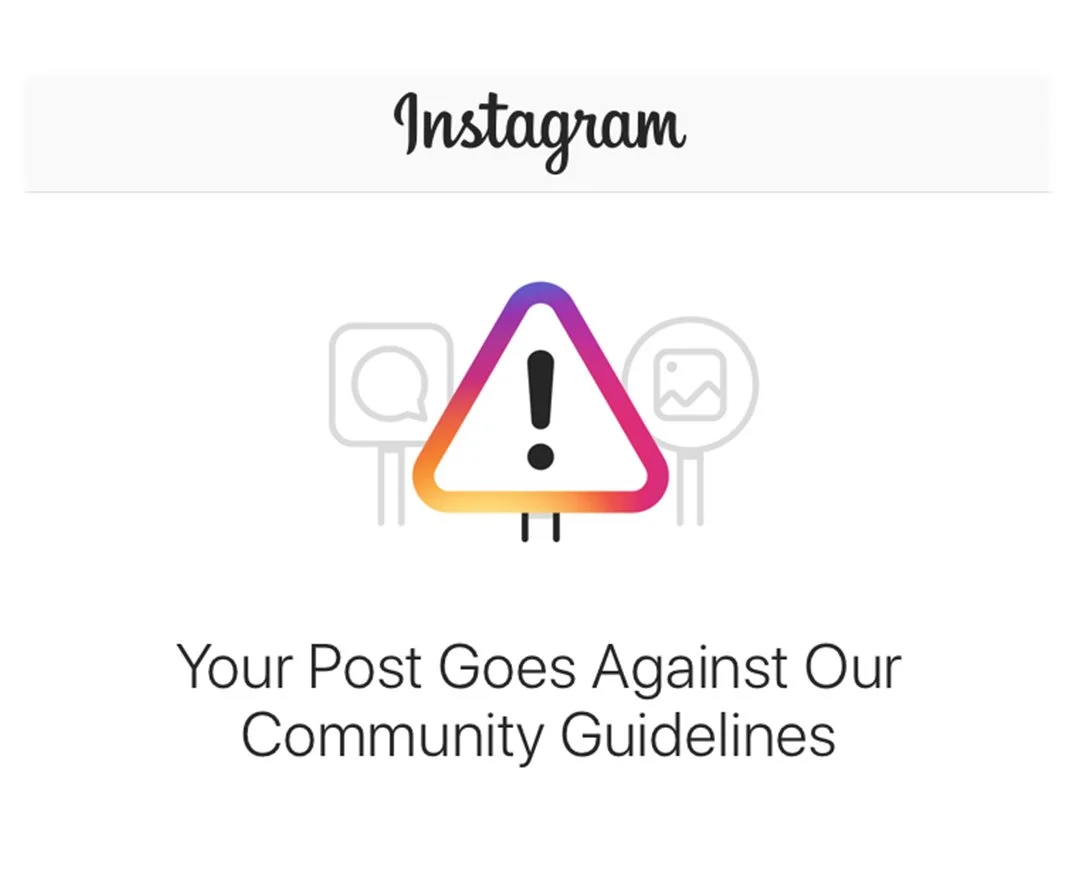
Maybe one day a nipple will simply be a nipple again. Maybe one day the human body will be allowed to exist without drama attached to it.
Until then, I will keep celebrating real, unapologetic bodies wherever I am allowed to show them. On a beach, in front of my camera, in a museum, or if there is no other choice, behind a Patreon login.
I would genuinely love to hear what you think about all of this. And until the world relaxes a little… please, let’s stop being so ridiculously prudish about bodies.
With lots of love but not a lot of clothes,
Arnold ✌🏻
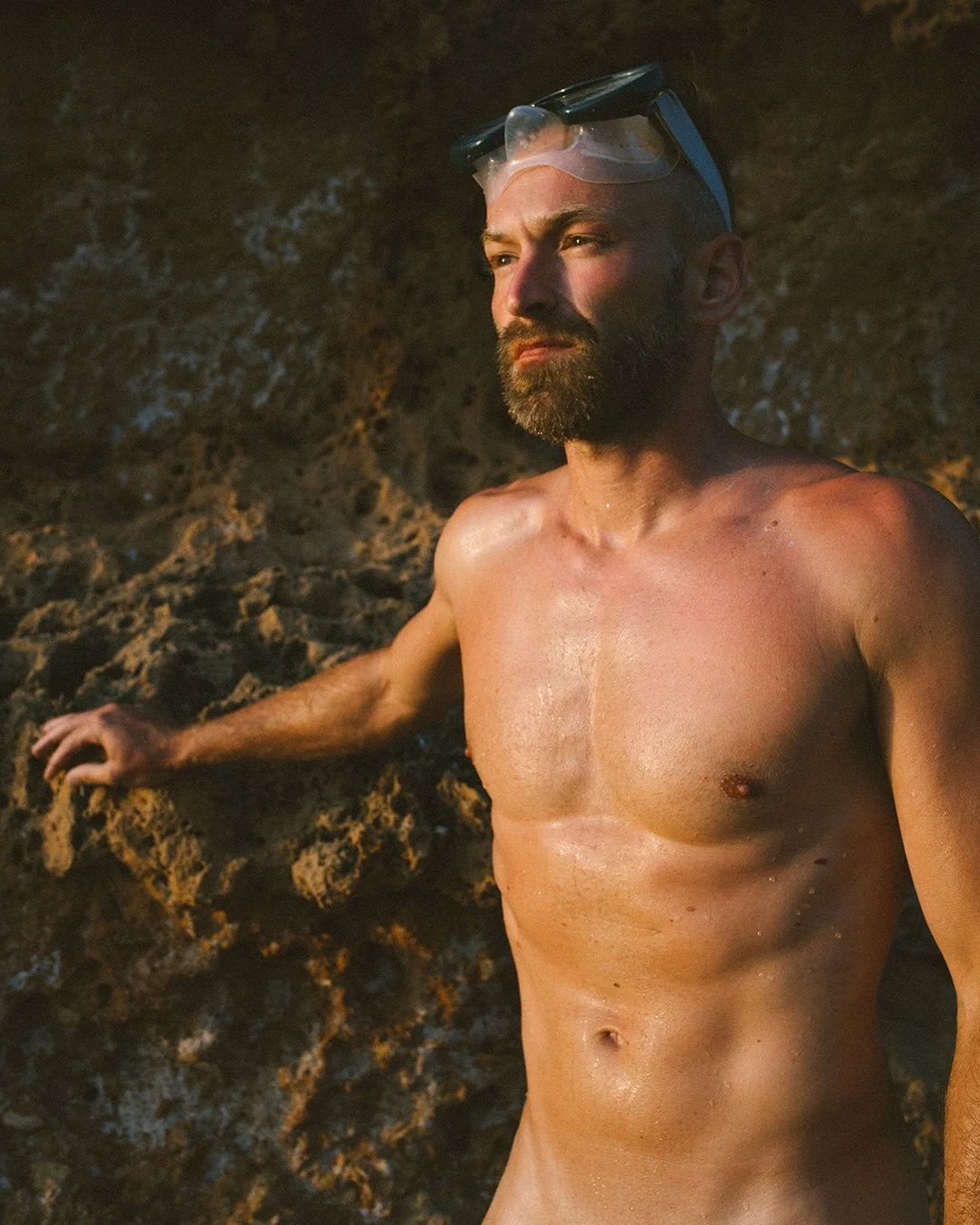
Me on Ibiza.
Español ⬇️
La verdad desnuda: de dioses de mármol a moderadores de Instagram
Siempre me ha parecido bastante divertido lo raros que somos con la desnudez.
Puedes ponerte delante del David de Miguel Ángel, seis metros de mármol perfectamente esculpido, y todo el mundo se comporta como si estuviera en misa. Hablan bajito, asienten con respeto y comentan la genialidad del Renacimiento. Pero si intentas publicar una foto artística de un torso desnudo en Instagram, desaparece en segundos bajo el encantador mensaje de “esto va en contra de nuestras normas comunitarias”.
Mismo cuerpo. Misma anatomía. Reacción completamente diferente.
Y esto no es nuevo. Llevamos miles de años jugando emocionalmente al ping pong con la desnudez. A veces la celebramos. A veces la escondemos. A veces entramos en pánico. Somos especialistas en contradicciones.
Si volvemos a la Antigua Grecia, estar desnudo era prácticamente un cumplido. Tu cuerpo no era algo que ocultar. Era algo que admirar. Los atletas competían desnudos. Las estatuas mostraban cuerpos sin disculpas. Incluso la palabra gimnasio significaba literalmente “lugar para estar desnudo”. Era una forma de decir que el cuerpo humano era fuerza, belleza, forma y significado.
Si saltamos a la Europa medieval, todo eso se derrumba. La Iglesia había tomado el control cultural y de repente piel significaba pecado. La desnudez iba acompañada de culpa. Adán y Eva intentando cubrirse. Cuerpos castigados. El cuerpo ya no era celebración. Ahora era problema.
Luego llega el Renacimiento y los artistas básicamente dicen: espera, el cuerpo humano es hermoso, ¿por qué lo tapamos? Y la ropa vuelve a desaparecer. Donatello. Miguel Ángel. El cuerpo otra vez en el centro del escenario. Por supuesto, mucha gente entró en pánico. Se inventaron hojas de parra para cubrir esculturas cuando hacía falta. Incluso contrataron artistas para pintar “modestia” sobre obras maestras. Imaginar a alguien siendo pagado para ponerle ropa interior a figuras de Miguel Ángel suena surrealista, pero pasó.
Y ahora estamos aquí. Nuevo mundo, mismo drama. Un desnudo en un museo es arte. Un desnudo en internet es peligro. Un pezón masculino está bien. Un pezón femenino es escándalo. Y aún hay gente que consigue decir que el David es pornografía. Incluso hubo una directora de escuela que perdió su trabajo porque algunos padres se quejaron de la estatua. Una obra de quinientos años. Todavía tratada como una amenaza.
Y luego está el giro moderno: el paywall. La misma imagen que se elimina en Instagram es perfectamente aceptable cuando alguien paga por verla. De repente el cuerpo vuelve a estar permitido. Lo sé por experiencia. Muchas de mis fotos sin censura viven detrás de un muro de pago. No porque las considere vergonzosas, sino porque las plataformas las empujan ahí. Por un lado es genial, porque permite a los creadores sobrevivir sin arrodillarse ante la moral del algoritmo. Por otro lado, el cuerpo se convierte en producto. No se esconde porque sea malo. Se esconde porque es rentable. Y eso también cambia cómo pensamos en él.
La verdad es que la desnudez nunca ha sido realmente sobre la desnudez en sí. Siempre ha sido sobre el contexto. Un museo parece aceptable. Un selfie parece arriesgado. Una playa topless depende del país. Una galería en Patreon es de repente completamente válida. El cuerpo puede vender, puede empoderar, puede provocar, puede sanar, o simplemente puede existir. Y sinceramente, nuestra reacción casi siempre habla más de nosotros que de la piel que estamos mirando.
Además, existe una realidad bastante simple. Estar en contacto con cuerpos reales, no retocados, es bueno para nosotros. Reduce la vergüenza. Mejora la relación con nuestro propio cuerpo. Nos recuerda cómo son realmente los humanos. No debería ser polémico. Pero lo es.
Así que aquí es donde me posiciono yo con mi trabajo.
No fotografío desnudez para provocar o escandalizar. Y tampoco estoy aquí para vender fantasías. Las personas en mis fotos son reales. Se sienten cómodas, sensuales, juguetonas, seguras, a veces vulnerables, siempre humanas. Para mí, una foto desnuda no es cuestión de cruzar una línea. Es cuestión de borrar suavemente las que nunca deberían haber existido.
Este debate lleva siglos con nosotros. Desde atletas desnudos en la Antigua Grecia, pasando por hojas de parra renacentistas, hasta moderadores de redes sociales decidiendo si tu vídeo en bikini es “demasiado sugerente”. El cuerpo no es el problema. El problema es el miedo, las normas absurdas y la hipocresía que hemos construido alrededor de él.
Quizá algún día un pezón vuelva a ser simplemente un pezón. Quizá algún día el cuerpo humano pueda existir sin drama.
Hasta entonces, seguiré celebrando cuerpos reales y sin disculpas, siempre que me dejen enseñarlos. En la playa, delante de mi cámara, en un museo o, si no queda otra, también detrás de un login de Patreon.
Me encantaría saber qué piensas sobre todo esto. Y hasta que el mundo se relaje un poco… por favor, dejemos de ser tan ridículamente puritanos con los cuerpos.
Con mucho cariño pero poca ropa,
Arnold ✌🏻