
Why Some Photoshoots Sound Like a Yoga Class
If you walk past enough photoshoots, you start noticing something funny.
A lot of them don’t actually sound like photography sessions.
They sound like yoga classes.
“Relax your shoulders.”
“Lift your chin.”
“Turn your head a little.”
“Drop your elbow.”
“Arch your back.”
And if you closed your eyes, you might expect the photographer to add:
“Alright… now slowly move into downward dog.”
-
Por qué algunas sesiones de fotos suenan como una clase de yoga.
Si pasas cerca de suficientes sesiones de fotos, empiezas a notar algo curioso.
Muchas no suenan realmente como sesiones de fotografía.
Suenan como clases de yoga.
“Relaja los hombros.”
“Levanta la barbilla.”
“Gira un poco la cabeza.”
“Baja el codo.”
“Arquea la espalda.”Y si cerraras los ojos, casi esperarías que el fotógrafo añadiera:
“Muy bien… ahora pasamos lentamente al perro boca abajo.”
Ahora bien, esas instrucciones no están mal.
De hecho, casi todos los fotógrafos empiezan así. Yo también.
Cuando empecé a fotografiar personas pensaba que ser un buen fotógrafo significaba controlar todo. La barbilla. Los hombros. Las manos. Las caderas. Cada pequeño ángulo del cuerpo.
Y para ser sincero, parte de la razón era inseguridad.
En aquel momento mi portfolio era pequeño. Las modelos no podían mirar años de trabajo y entender inmediatamente mi estilo. Así que, de forma subconsciente, sentía que tenía que demostrar que sabía lo que hacía.
La forma más fácil de hacerlo era dar instrucciones constantemente.
Si seguía ajustando cosas, parecía profesional.
Pero ese enfoque tiene un problema oculto.
En el momento en que alguien empieza a pensar demasiado en su cuerpo, algo desaparece.
La relajación. La confianza. El movimiento natural.
En lugar de sentir el momento, empieza a actuar para la cámara.
Técnicamente correcto.
Emocionalmente vacío.
Y la cámara lo detecta inmediatamente.
Esto se vuelve aún más evidente en el tipo de fotografía que suelo hacer. Sesiones en bikini, fotos en la playa, a veces topless, a veces completamente desnudas.
Si una modelo se siente relajada y cómoda en su cuerpo, la sensualidad aparece de forma natural.
Pero en el momento en que empiezas a controlar cada pequeño movimiento, su cuerpo se vuelve rígido. Deja de moverse con naturalidad. Su confianza baja.
Porque la sensualidad no es una pose.
Es una sensación.
Uno de los mayores cambios en mi fotografía ocurrió cuando dejé de dirigir partes del cuerpo y empecé a describir ambientes.
En lugar de decir “pon el brazo aquí”, empecé a decir cosas como:
“Imagina que es una tarde de verano perezosa.”
“Como si estuvieras pasando el día en la playa.”
“La energía de la chica de al lado.”
El objetivo no era una pose.
El objetivo era una sensación.
Y cuando alguien siente algo, el cuerpo normalmente encuentra la pose correcta por sí solo.
Así que aquí va el consejo.
Si tu sesión de fotos empieza a sonar como una clase de yoga…
probablemente estás dirigiendo demasiado.
Dirigir bien no significa controlar el cuerpo.
Significa crear el ambiente adecuado.
Porque en el momento en que alguien deja de pensar en su cuerpo y empieza a sentir el momento…
las fotos cobran vida.
Arnold ✌🏼
P.D. Si eres fotógrafo y sientes que te vendría bien ayuda con este tipo de cosas, puedes echar un vistazo a mi página de coaching en mi web.
Y si simplemente quieres hablar de fotografía, puedes escribirme por Instagram. Siempre respondo a conversaciones genuinas sobre fotografía.
Now don’t get me wrong. Those instructions are not wrong.
In fact, almost every photographer starts there. Including me.
When I began shooting people, I thought being a good photographer meant controlling everything. The chin. The shoulders. The hands. The hips. Every little angle of the body.
And to be honest, part of the reason was insecurity.
Back then my portfolio was small. Models couldn’t look at years of work and instantly understand my style. So subconsciously I felt like I had to prove that I knew what I was doing.
The easiest way to do that was constant direction.
If I kept adjusting things, it looked professional.
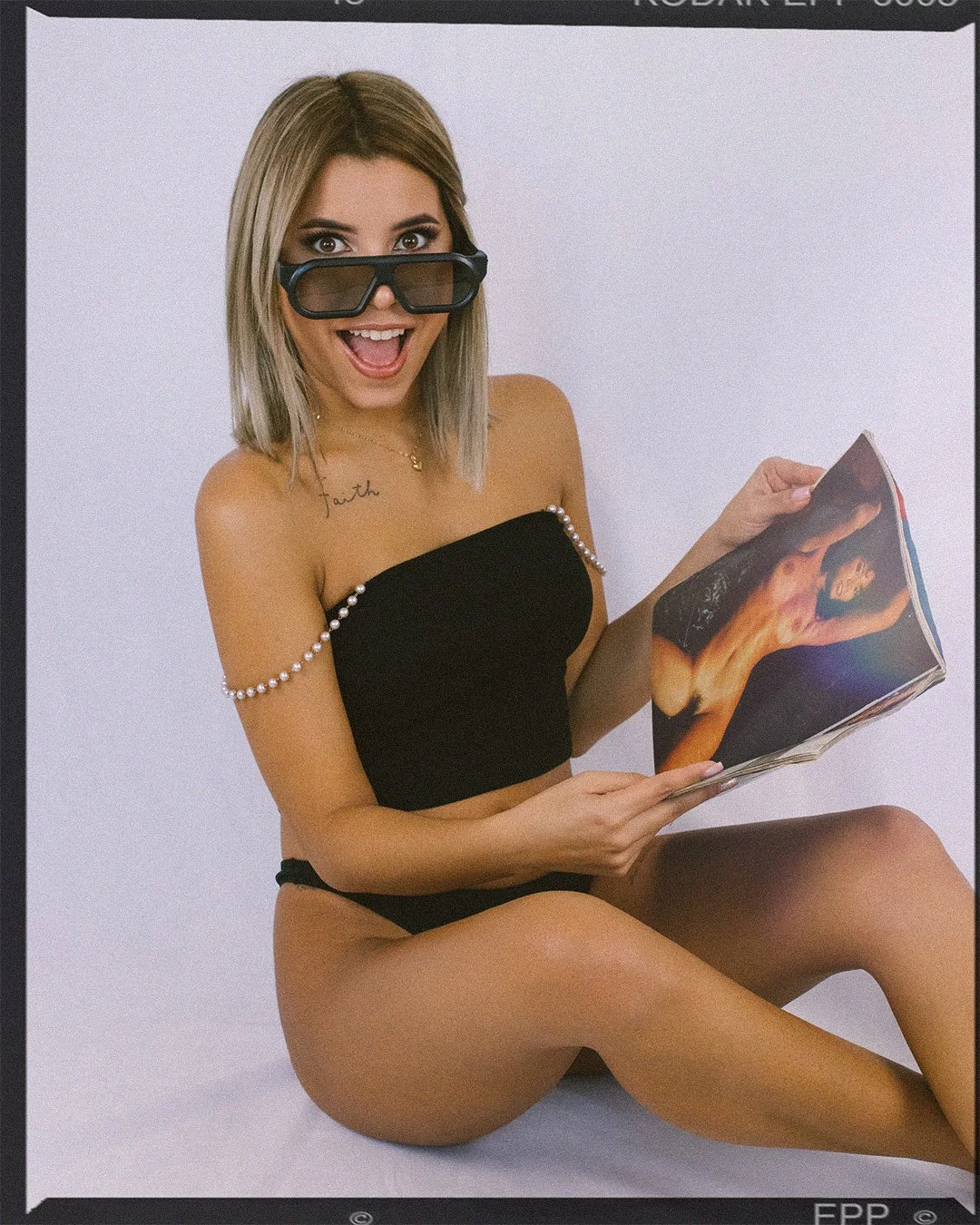
But there’s a hidden problem with that approach.
The moment someone starts thinking too much about their body, something disappears.
Relaxation. Confidence. Natural movement.
Instead of feeling the moment, they start performing for the camera.
Technically correct.
Emotionally empty.
And the camera sees that immediately.
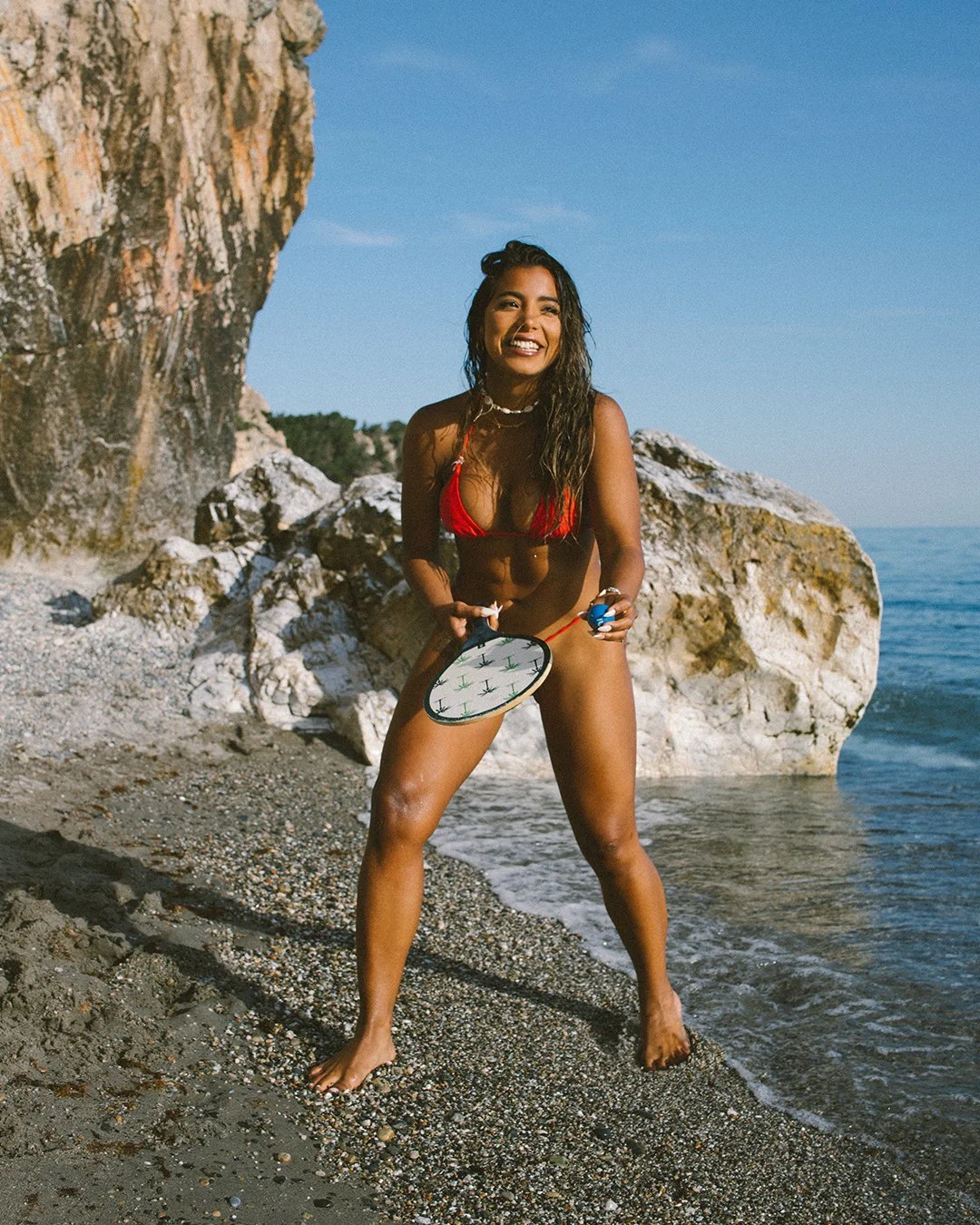
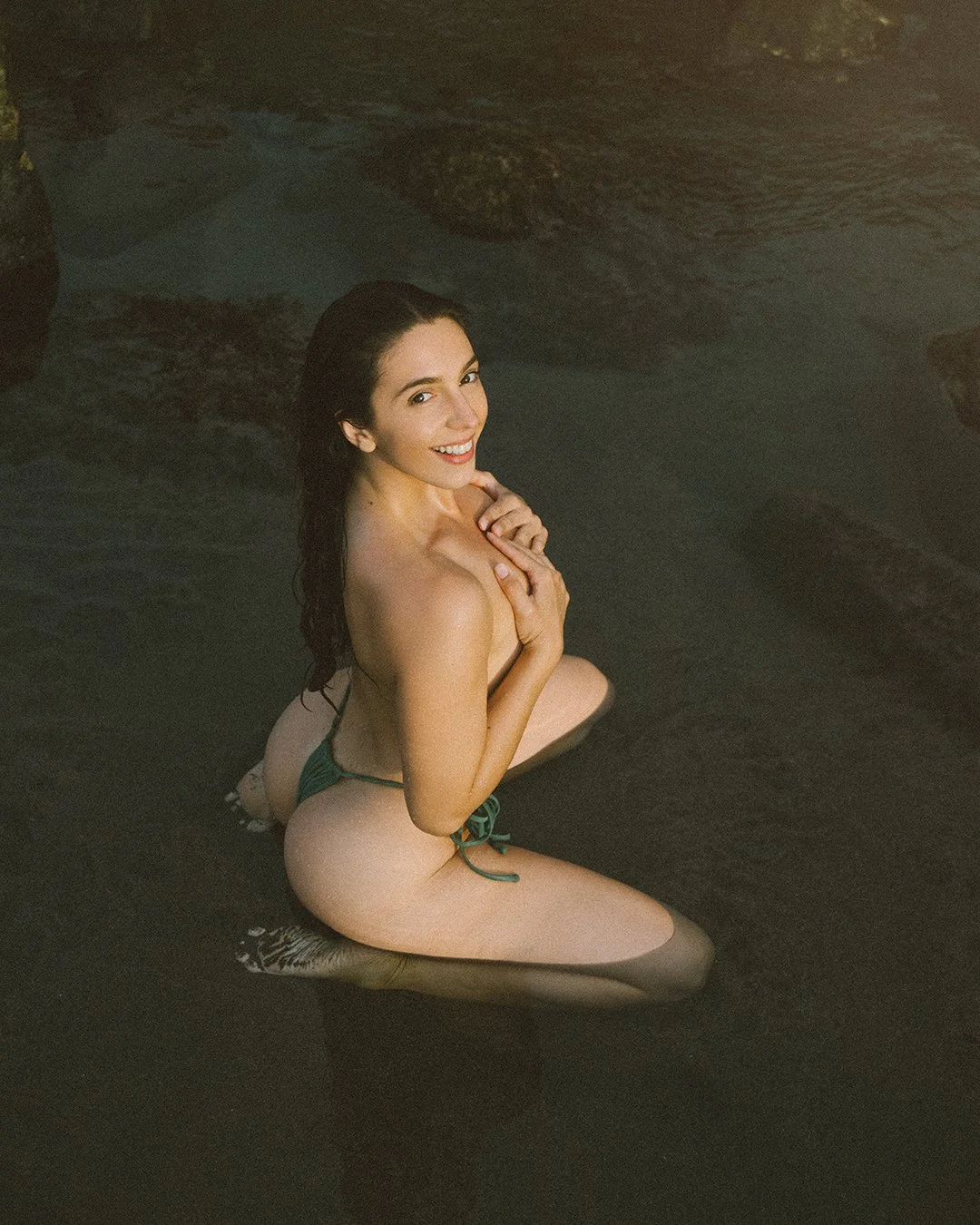
This becomes even more obvious in the kind of photography I often shoot. Bikini shoots, beach photos, sometimes topless, sometimes completely nude.
If a model feels relaxed and comfortable in her body, sensuality appears naturally.
But the moment you start micromanaging every movement, she becomes rigid. Her body stops moving naturally. Her confidence drops.
Because sensuality is not a pose.
It’s a feeling.
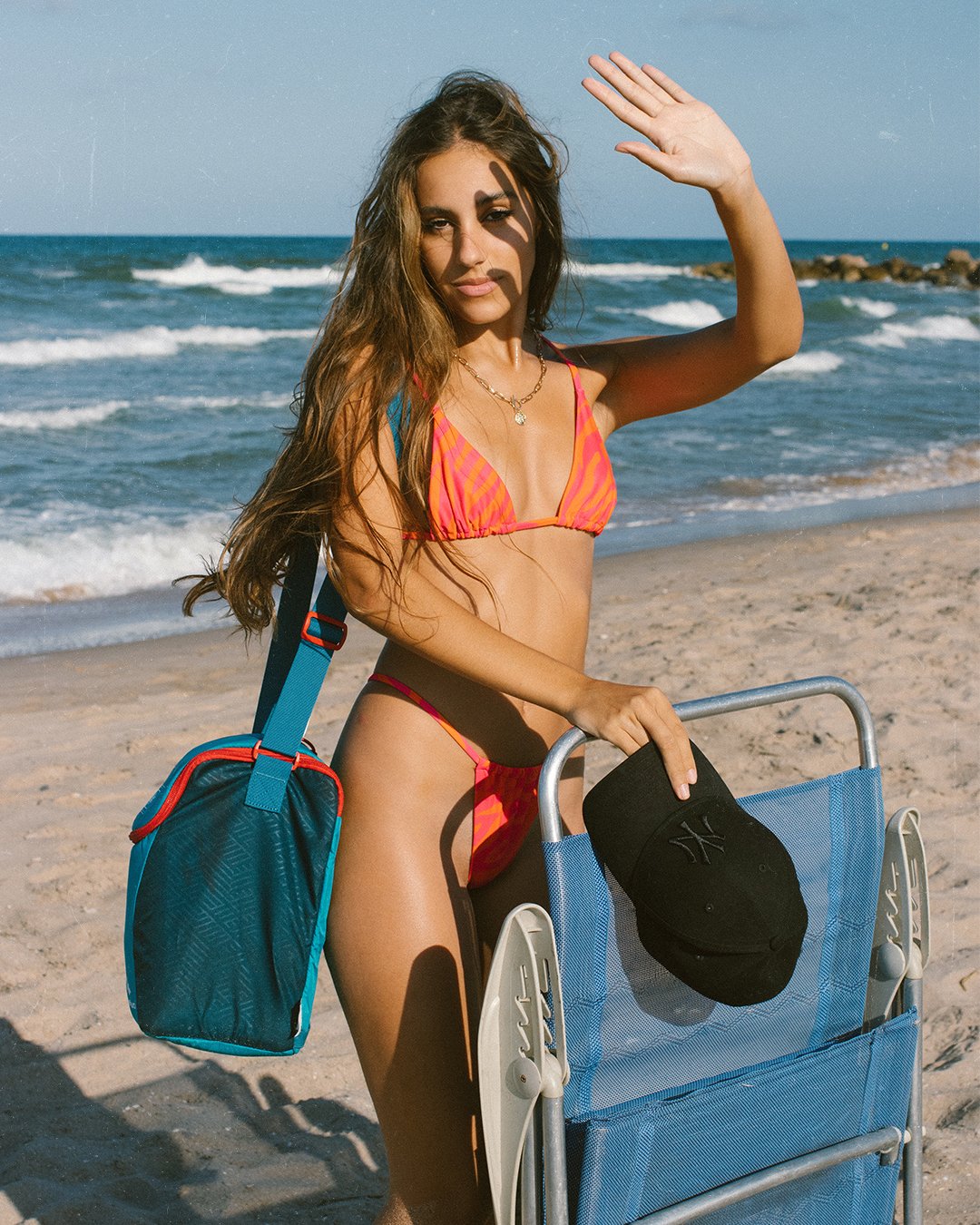
One of the biggest shifts in my photography happened when I stopped directing body parts and started describing moods.
Instead of saying “put your arm here,” I started saying things like:
“Imagine it’s a lazy summer afternoon.”
“Like you’re just hanging out at the beach.”
“The girl next door energy.”
The goal wasn’t a pose.
The goal was a feeling.
And when someone feels something, the body usually finds the right pose on its own.
So here’s the tip.
If your photoshoot starts sounding like a yoga class…
you might be directing too much.
Good direction isn’t about controlling the body.
It’s about creating the right atmosphere.
Because the moment someone stops thinking about their body and starts feeling the moment…
the photos come alive.
Arnold ✌🏼
P.S. If you're a photographer and feel like you could use some guidance with this kind of thing, you can always check out my coaching page on my website.
And if you just want to talk photography, feel free to send me a DM on Instagram. I always reply to genuine photography conversations.