
Why Everybody Knows What a Tumblr Photo Is (But No One Can Really Explain It)
What does it mean when someone says “this looks like a Tumblr photo”?
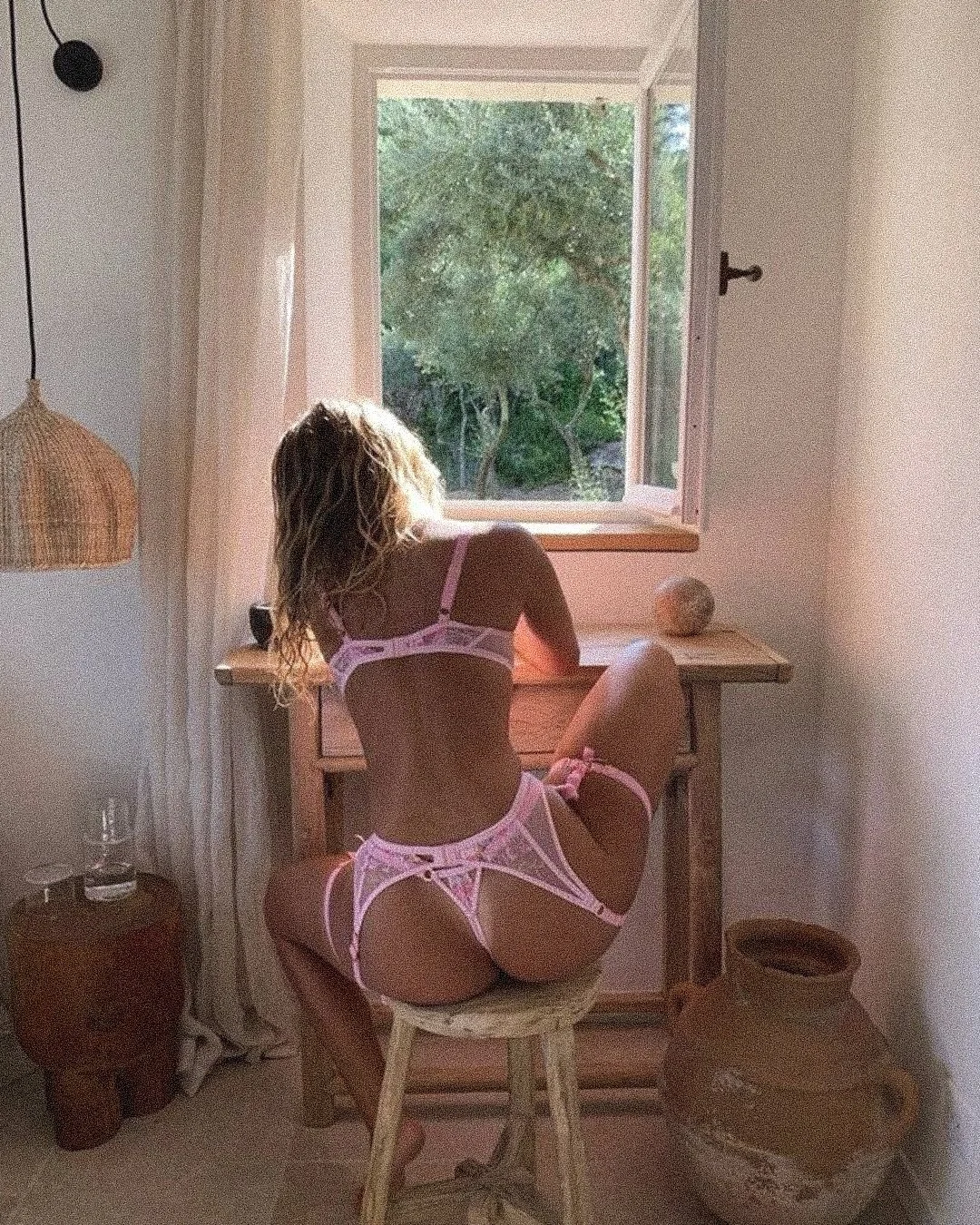
They are not really talking about the platform. They are pointing to a feeling. A mood. A kind of image that touches something quiet inside you. Something dreamy. A little sad. A little sexy.
You do not need to have had a Tumblr account to know the look. Soft lighting. Blurry focus. Natural shadows. Bare skin. Messy hair. Someone staring out of a window. Someone lying in bed. A body turned away from the camera. A photo that never explains itself, but somehow makes you feel like you have been there, even if you have not.
As a photographer, more than once, after a shoot, a model has looked at the photos we made together and said, “That looks like a Tumblr photo.”
I could never fully explain why, but I always knew exactly what she meant.
So I started thinking about it.
This is the conclusion I came to.
Everyone knows what a Tumblr photo is.
No one can really say why.
Tumblr Was Chaos
And yet Tumblr was full of everything. Total chaos. Porn, memes, fandom gifs, surreal jokes, political rants, blurry sunsets, crying selfies, diary entries, film stills, screenshots of posts, and aesthetics of every possible kind. So how did one specific visual style, soft, grainy, moody, emotional, become the one that defines the memory of the platform?
I think it is because those were the images that made us feel something.
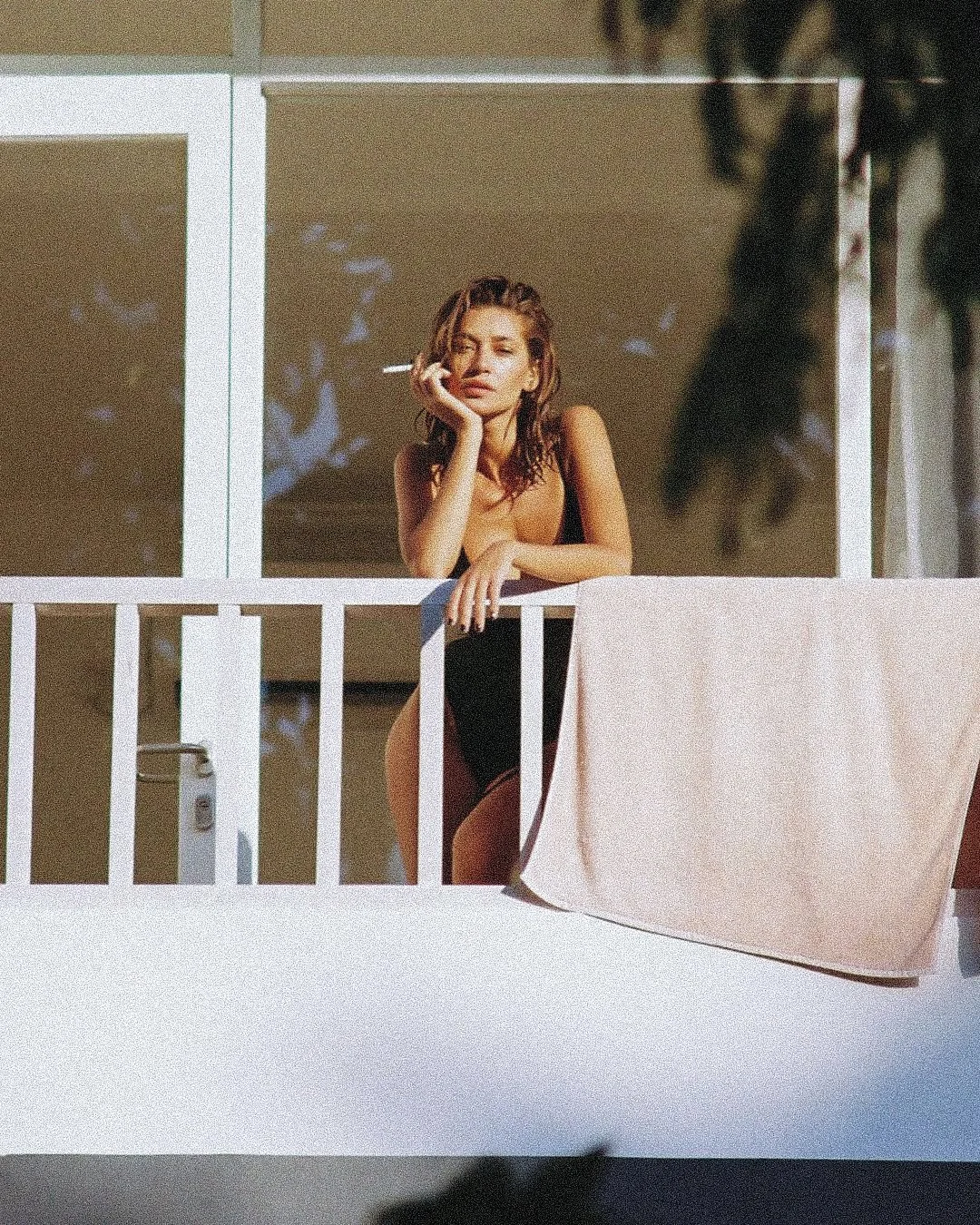
I remember spending hours scrolling, reposting, curating. I did not always know why an image hit me, but it did. A faceless photo of someone smoking. A bruised knee. Legs under bedsheets. Drops of seawater on a chest glistening in sunlight. A mirror selfie where you could not quite see the eyes. These images were never about perfection. They were not trying to go viral. They simply existed. Quiet. Intimate. Like a secret someone forgot to hide.
Tumblr still exists. People still use it. But the golden age, the version that lived in our bedrooms and in our feelings, that one is gone. Most of us moved on. The internet changed. We changed.
But that feeling, that aesthetic, that emotional atmosphere stayed.

A Curated Dream
Part of what made those images feel so special was anonymity. On Tumblr, a photo could exist without context, without credit, without explanation. You did not know who was in the picture. You did not know who took it. You could not tap to find more.
It did not belong to a brand, a personal profile, or a carefully constructed storyline. It simply floated.
That is what made it so different from Instagram. Instagram is curated reality. Even when it is fake, it is still personal. You see a photo, you tap to see the face, the name, the bio, the content strategy. Even vulnerability eventually becomes a product.
But Tumblr was a curated dream. You were not following someone’s daily life. You were wandering through their taste. Their longing. Their sadness. Their desire. It was not about showing yourself. It was about expressing something without needing to explain it.
That is why it still feels intimate, even when you do not know who is in the frame.
Why It Still Haunts Us
You still see it everywhere today. Pinterest boards. Lo fi Instagram accounts. TikToks with nostalgic songs and blurry filters. The Tumblr photo survived, not because the platform did, but because the feeling never left us.
We still crave images that feel messy, moody, romantic, imperfect. We still want mystery. We still want longing. We still want soft skin, soft light, and things left unsaid.
In a world obsessed with clarity and context, we are still drawn to what floats. To what aches quietly.
And maybe that is the secret. Not just of Tumblr, but of sensual photography in general.
Because the most powerful images are not always the ones that show everything. Sometimes they do not even show a face. And that is exactly why they work. The more that is left out, the more space your imagination has to play.
You start building your own story. Not with information. With feeling. With memory.
Suddenly, the woman in the photo becomes someone you once knew. Or someone you wish you had known. The person you saw once on a balcony in the morning light. The stranger in a cafe with tired eyes and soft lips. The woman who passed you on a street near the sea and stayed in your head for reasons you still cannot explain.
She does not need a name.
But she has a story inside your imagination.
And slowly, that story becomes a dream.
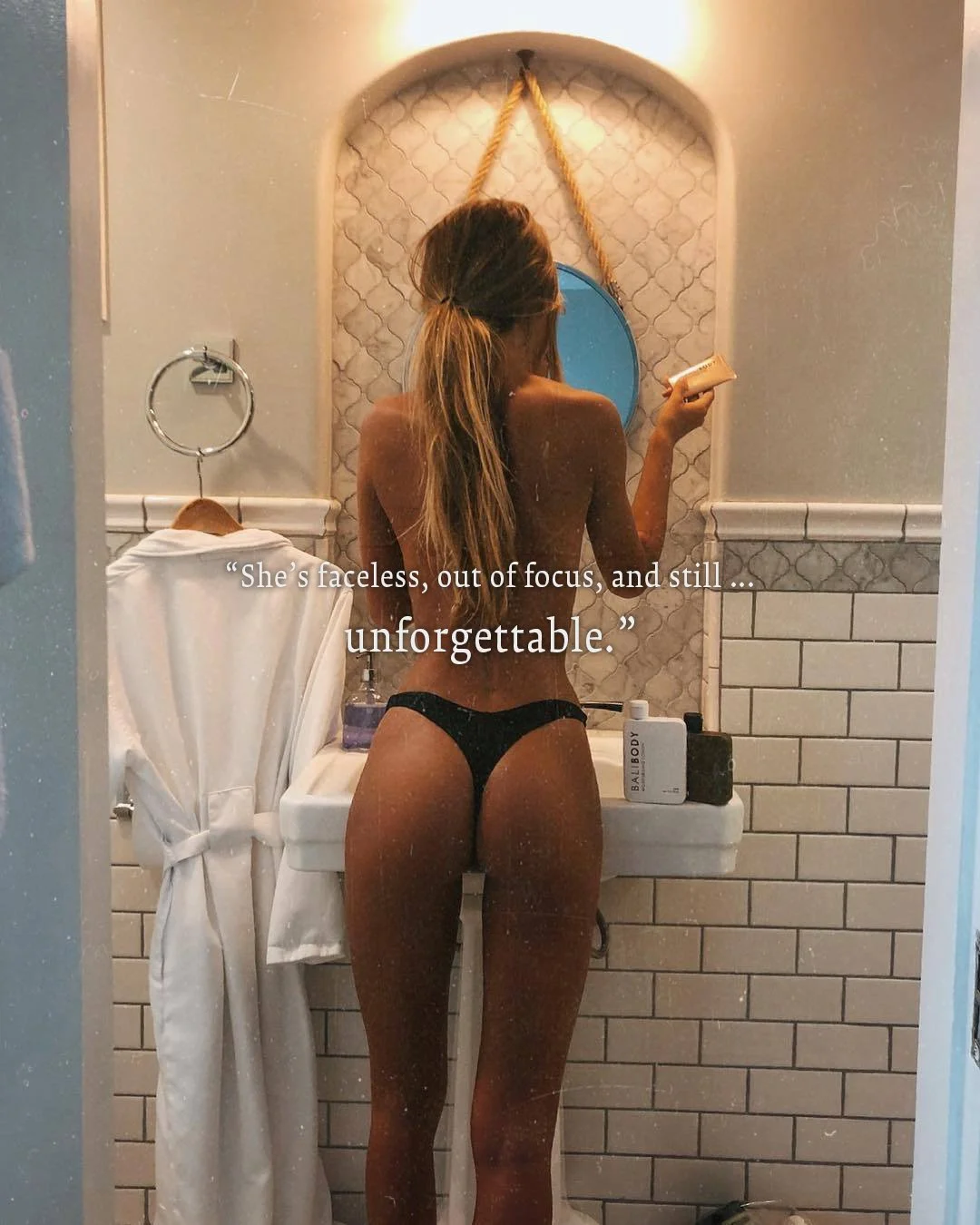
That is where the fantasy lives.
Not in what is revealed, but in what remains unspoken. Not in what you see, but in what you cannot stop feeling afterwards.
It is not really about Tumblr anymore.
But that dream, that ache, that soft emotional heat?
It is still with us.
With lots of love,
Arnold ✌🏻
Español ⬇️
Por qué todos reconocen una foto de Tumblr aunque nadie sepa explicarla
¿Qué significa cuando alguien dice “esto parece una foto de Tumblr”?
No están hablando realmente de la plataforma. Están señalando una sensación. Un estado de ánimo. Un tipo de imagen que toca algo silencioso dentro de ti. Algo soñador. Un poco triste. Un poco sexy.
No necesitas haber tenido una cuenta de Tumblr para reconocer ese estilo. Luz suave. Enfoque borroso. Sombras naturales. Piel al aire. Pelo despeinado. Alguien mirando por una ventana. Alguien tumbado en la cama. Un cuerpo de espaldas a la cámara. Una foto que nunca se explica, pero que de alguna manera te hace sentir que has estado ahí, aunque no haya sido así.
Como fotógrafo, más de una vez, después de una sesión, una modelo ha mirado las fotos que hicimos juntos y ha dicho: “Eso parece una foto de Tumblr”. Nunca pude explicar exactamente por qué, pero siempre supe perfectamente a qué se refería.
Así que empecé a pensarlo.
Y esta es la conclusión a la que llegué.
Todo el mundo sabe lo que es una foto de Tumblr.
Casi nadie puede explicar por qué.
Tumblr era caos
Y al mismo tiempo, Tumblr estaba lleno de todo. Caos total. Porno, memes, gifs de fandoms, chistes surrealistas, discusiones políticas, puestas de sol borrosas, selfies llorando, entradas de diario, fotogramas de películas, capturas de pantalla y estéticas de todo tipo. Entonces, ¿cómo logró un estilo visual concreto, suave, granulado, melancólico y emocional, convertirse en el que define el recuerdo de la plataforma?
Creo que fue porque esas eran las imágenes que nos hacían sentir algo.
Recuerdo pasar horas haciendo scroll, reblogueando, curando. No siempre sabía por qué una imagen me golpeaba emocionalmente, pero lo hacía. Una foto sin rostro de alguien fumando. Una rodilla morada. Piernas bajo las sábanas. Gotas de agua salada brillando sobre un pecho al sol. Un selfie en el espejo donde casi no se veían los ojos. Estas imágenes no iban de perfección. No intentaban hacerse virales. Simplemente existían. Tranquilas. Íntimas. Como un secreto que alguien se olvidó de esconder.
Tumblr sigue existiendo. Mucha gente todavía lo usa. Pero la edad dorada, la versión que vivía en nuestros dormitorios y en nuestros sentimientos, esa ya se fue. La mayoría seguimos adelante. Internet cambió. Nosotros cambiamos.
Pero esa sensación, esa estética, esa atmósfera emocional se quedó.
Un sueño curado
Parte de lo que hacía que esas imágenes se sintieran tan especiales era el anonimato. En Tumblr, una foto podía existir sin contexto, sin créditos, sin explicación. No sabías quién estaba en la foto. No sabías quién la había tomado. No podías tocar la pantalla para descubrir más.
No pertenecía a una marca, ni a un perfil personal, ni a una narrativa cuidadosamente construida. Simplemente flotaba.
Eso era lo que la hacía tan diferente de Instagram. Instagram es una realidad curada. Incluso cuando es falsa, sigue siendo personal. Ves una foto, tocas para ver la cara, el nombre, la biografía, la estrategia de contenido. Incluso la vulnerabilidad termina convertida en producto.
Pero Tumblr era un sueño curado. No estabas siguiendo la vida diaria de alguien. Estabas caminando por su gusto. Por su deseo. Por su tristeza. Por su nostalgia. No iba de mostrarse, sino de expresar algo sin tener que explicarlo.
Por eso todavía se siente tan íntimo, incluso cuando no sabes quién está en el encuadre.
Por qué aún nos persigue
Todavía lo ves por todas partes hoy. Tableros de Pinterest. Cuentas lo fi de Instagram. TikToks con canciones nostálgicas y filtros borrosos. La foto Tumblr sobrevivió, no porque la plataforma lo hiciera, sino porque la sensación nunca nos dejó.
Seguimos deseando imágenes que se sientan desordenadas, melancólicas, románticas, imperfectas. Seguimos queriendo misterio. Seguimos queriendo anhelo. Seguimos queriendo piel suave, luz suave y cosas que no se dicen.
En un mundo obsesionado con la claridad y el contexto, seguimos sintiéndonos atraídos por lo que flota. Por lo que duele suavemente.
Y quizá ese sea el secreto. No solo de Tumblr, sino de la fotografía sensual en general.
Porque las imágenes más poderosas no siempre son las que lo muestran todo. A veces ni siquiera muestran una cara. Y precisamente por eso funcionan. Cuanto más se deja fuera, más espacio tiene tu imaginación para jugar.
Empiezas a construir tu propia historia. No con información. Con sensación. Con memoria.
De repente, la mujer de la foto se convierte en alguien que conociste alguna vez. O en alguien que te habría encantado conocer. La persona que viste una mañana en un balcón con luz dorada. La desconocida de una cafetería con ojos cansados y labios suaves. La mujer que pasó junto a ti en una calle cerca del mar y nunca conseguiste sacar de tu cabeza, sin saber muy bien por qué.
Ella no necesita un nombre.
Pero sí tiene una historia dentro de tu imaginación.
Y poco a poco, esa historia se convierte en un sueño.
Ahí es donde vive la fantasía.
No en lo que se revela, sino en lo que permanece sin decir. No en lo que ves, sino en lo que no puedes dejar de sentir después.
Ya no se trata realmente de Tumblr.
Pero ese sueño, esa nostalgia, ese calor emocional suave…
Todavía sigue con nosotros.
Con mucho cariño,
Arnold ✌🏻